Precision Installation Starts Here.

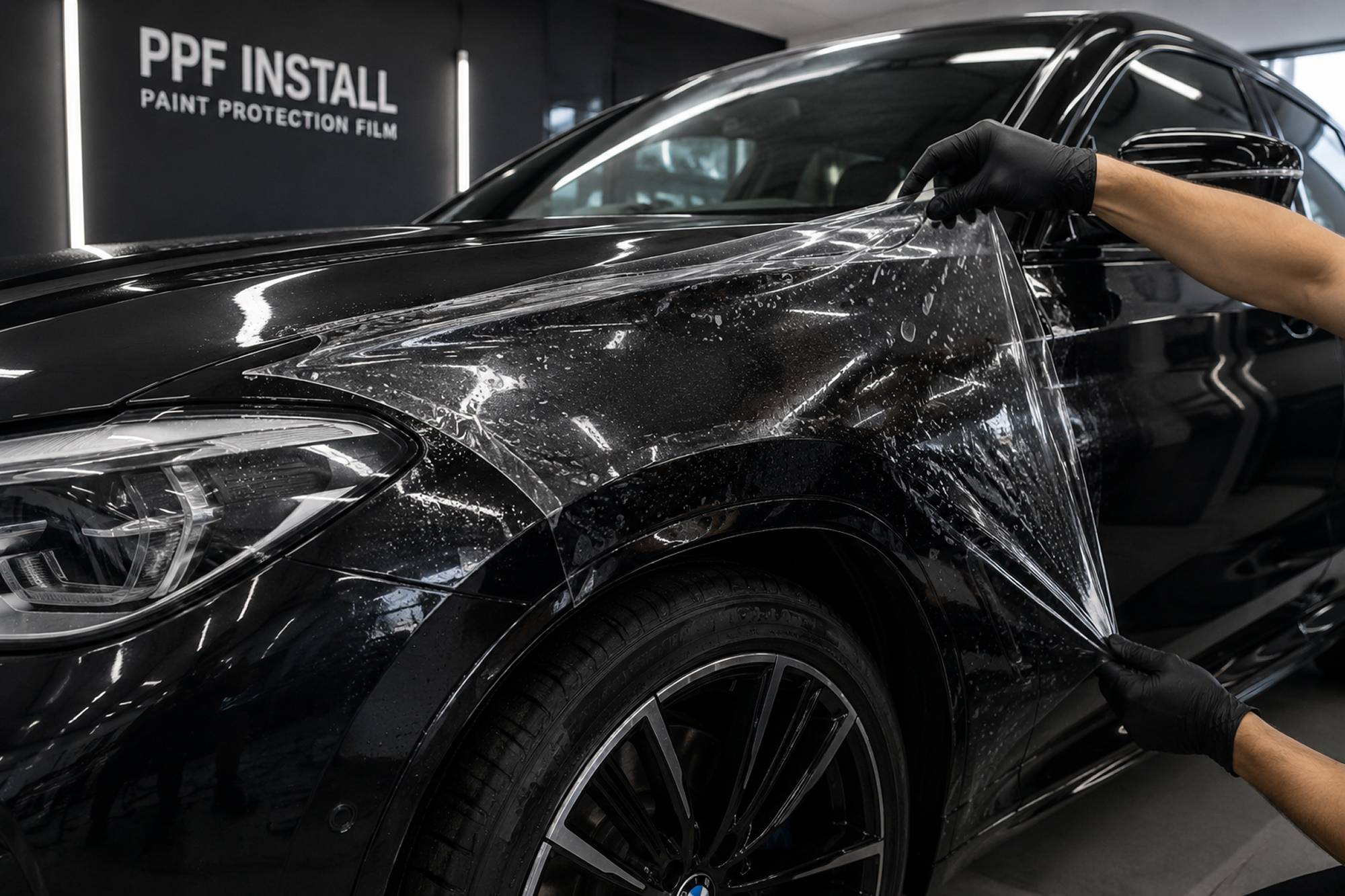
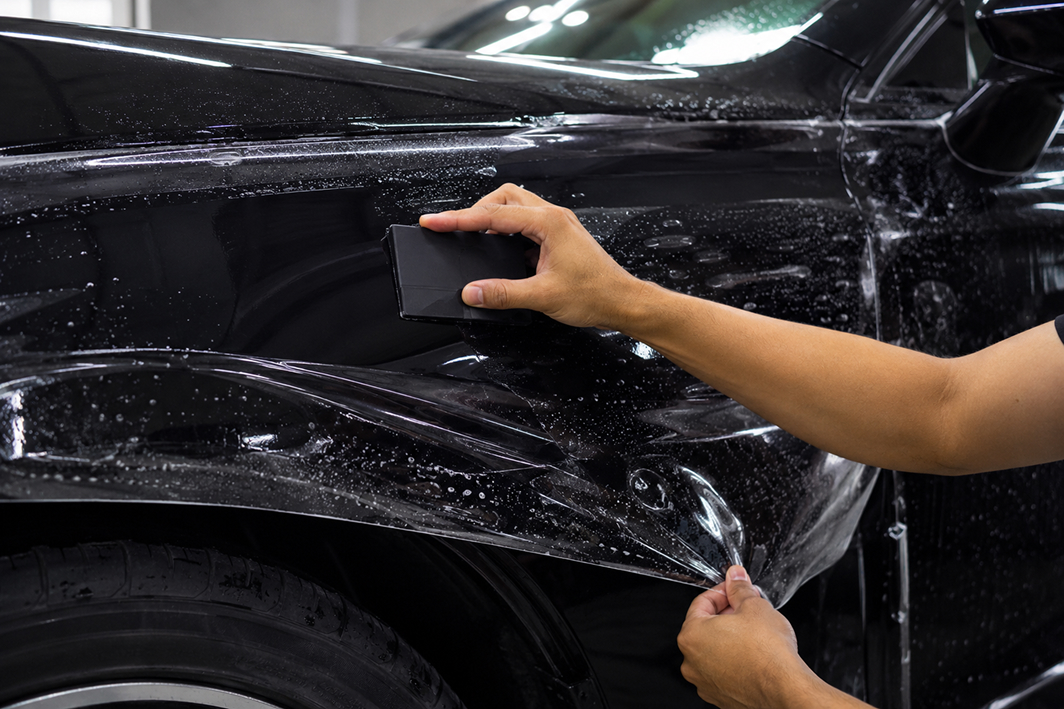
Installer applying Cosmo PPF film

Cosmo PPF is engineered for professionals—featuring controlled initial tack and predictable lay-down, so it stays where you place it without fighting curves or contours. Less frustration. Fewer surprises. Total control on every panel.

Clarity and Protection That Perform.

Cosmo PPF delivers exceptional high-gloss clarity that enhances paint depth. Built with advanced Thermoplastic Polyurethane (TPU) and a heat-activated self-healing topcoat for long-term durability, these features work together to deliver the flawless finish and lasting protection your customers expect.

High-Gloss Clarity

Enhances paint depth and richness.

Advanced TPU Construction

Long-term durability and flexibility.

Self-Healing Topcoat

Heat-activated surface recovery.

Results Customer Notice.

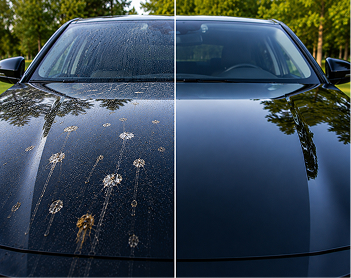
Its hydrophobic surface repels contaminants and resists staining, reducing maintenance and keeping customers satisfied. The result: a clean, sharp finish that builds trust, drives repeat business, and generates referrals.
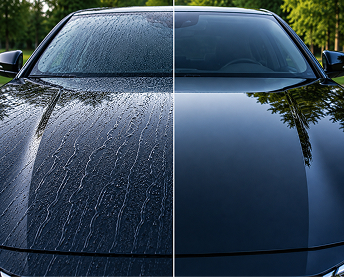
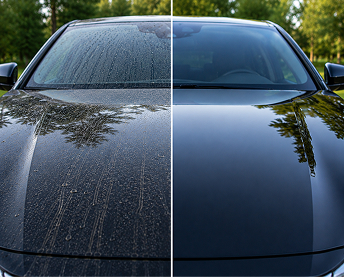
Water beading on a Cosmo PPF protected hood
Repels Water
Easy to clean protected paint surface
Easier Maintenance
Stain resistant Cosmo PPF finish
Resists Staining

Durability That Protects Your Reputation.

Cosmo PPF is engineered to absorb impact and maintain gloss in real-world conditions. It helps reduce rework and protects vehicles over time. Because when PPF installations last, your reputation grows.
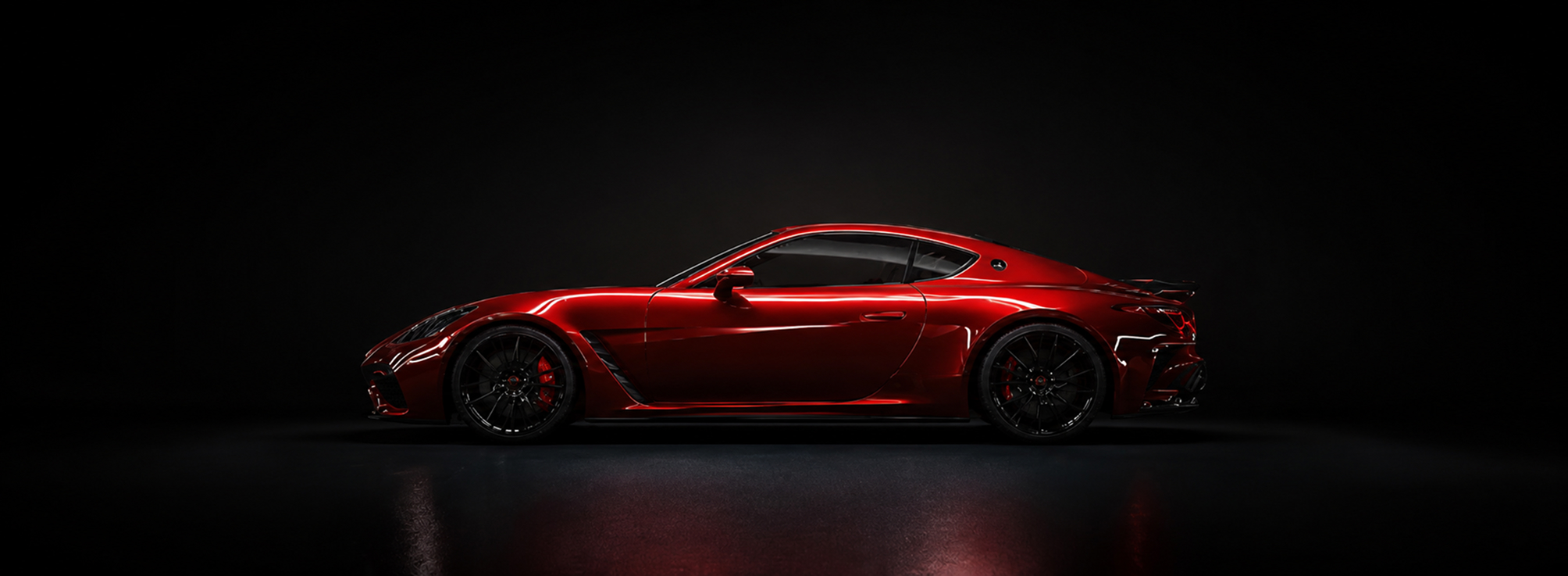
Red sports car protected with Cosmo PPF

Backed by Standards.
Proven in the Field.

Produced under ISO-certified standards and backed by a 10-year limited warranty, Cosmo PPF gives you the assurance to install, recommend, and scale with confidence.
Limited 10 year warranty

Frequently Asked Questions

PPF is a clear, durable polyurethane film applied over a vehicle's factory paint to guard against rock chips, scratches, road debris, and UV fading. It forms a nearly invisible layer that preserves the paint's original finish. Most modern PPF, including Cosmo PPF, uses a self-healing topcoat that responds to heat to smooth out light scratches on its own.

Quality PPF typically lasts 5 to 10 years, depending on the film, climate, and maintenance. Cosmo PPF Platinum carries a 10-year limited warranty in the US against yellowing, cracking, and delamination. Regular washing and avoiding abrasive polishes help the film reach its full lifespan.

Yes. Paint Protection Film helps preserve your vehicle's factory paint by reducing damage from everyday driving hazards such as rock chips, scratches, road salt, bug splatter, and UV exposure. It can also improve resale value by keeping the paint in better condition, making it a worthwhile investment for new, luxury, and frequently driven vehicles.

Yes, PPF absorbs the impact from small rock chips, gravel, and road debris before it reaches the paint, and its self-healing topcoat smooths out light scratches with heat. It isn't indestructible. Deep gouges from keys, branches, or major impacts can still cut through the film and the paint beneath it.

Yes, precut kits and DIY film rolls exist, but professional installation is strongly recommended. PPF must be stretched, trimmed, and wrapped around curves without trapping dust or air, and a bad edge can lead to peeling within months. Manufacturer warranties, including Cosmo PPF's, generally require certified installation.

To become a Cosmo PPF dealer, contact the Cosmo First Americas sales team through the official website. Depending on your market, dealership applications may include business verification, product training, installation support, and access to marketing resources designed to help grow your business.

Cosmo PPF Films are available through authorized dealers, professional installers, and distribution partners across multiple regions. In the United States, availability continues to expand through certified installation networks. Visit the Cosmo First Americas website or contact the sales team to locate your nearest authorized dealer or installer.

Self-healing PPF uses a flexible top layer, usually a polyurethane elastomer, that returns to shape after light damage. Heat from sun, warm water, or a heat gun makes minor scratches and swirl marks smooth themselves out. Cosmo PPF Platinum's heat-activated topcoat means everyday marks tend to vanish on a warm, sunny day.

PPF is a physical film that absorbs impact, so it actually stops rock chips and scratches. Ceramic coating is a liquid polymer that adds gloss and hydrophobic beading but no impact protection. PPF costs more and takes longer to install. Many owners combine both: PPF on high-impact panels, ceramic coating over everything else.

No. When professionally installed and removed, high-quality Paint Protection Film should not damage the original factory paint. However, improperly applied film, low-quality adhesives, or repainting performed before installation may increase the risk of paint lifting during removal.

No. When professionally installed and removed, high-quality Paint Protection Film should not damage the original factory paint. However, improperly applied film, low-quality adhesives, or repainting performed before installation may increase the risk of paint lifting during removal.

The cost of Paint Protection Film (PPF) in the United States typically ranges from $800 to $1,500 for partial front coverage, $1,800 to $3,500 for a full front package, and $5,000 to $10,000 or more for full vehicle coverage. The final price depends on factors such as the size and type of the vehicle, the coverage selected, the quality of the film, and the installer's expertise. Larger vehicles, luxury models, and complex body designs generally require more material and labor, resulting in higher installation costs.

Full-body PPF, covering every painted panel, generally runs $5,000 to $8,000 in the US, with exotic or oversized vehicles sometimes reaching $10,000+. Pricing depends on the car's size, body complexity, film brand, and labor for wrapping curves, mirrors, and door jambs.

Yes. Small water pockets or tiny bubbles are common immediately after window film installation. As the installation solution evaporates during the curing process, these bubbles usually disappear within a few days to several weeks, depending on weather conditions and the type of film installed.